
In modern manufacturing, material waste is a persistent challenge that erodes profit margins, strains sustainability goals, and wastes valuable resources. For metal fabrication, tube processing, and component forming operations, waste often stems from overcutting, defective parts, inconsistent material usage, and inefficient process design—with traditional methods typically generating 15-25% material waste per production run. However, IO (Intelligent Operation) forming machines have emerged as a game-changing solution, leveraging smart automation, precision engineering, and data-driven optimization to slash material waste by up to 35%. For manufacturers aiming to reduce costs, minimize environmental impact, and boost operational efficiency, these advanced machines redefine how material resources are utilized in forming processes.
Material waste in forming operations originates from four primary sources: imprecise cutting and sizing, defective components due to human error or inconsistent forming, overcompensation for process variability, and inefficient nesting or material utilization. Traditional forming methods rely on manual measurements, mechanical guesswork, and sequential processing that often lead to overcutting tubes or sheets to avoid undersizing—a practice that wastes raw materials. Additionally, inconsistent force application, misaligned tooling, or inadequate process control results in high defect rates, with scrapped parts accounting for a significant portion of material waste. For high-value materials such as stainless steel, titanium, or specialty alloys, this waste translates to substantial financial losses, while also contributing to environmental footprint through excess resource consumption and landfill waste.
IO forming machines address these waste drivers through a suite of intelligent technologies and process optimizations, delivering a 35% reduction in material waste by design. At the core of this achievement is precision material sizing and cutting, enabled by integrated CNC (Computer Numerical Control) systems and real-time material tracking. Unlike traditional methods that require manual marking and cutting—prone to human error—IO machines use advanced sensors to measure raw materials (such as tube length, wall thickness, or sheet dimensions) and automatically calculate the minimum material required for each component. This eliminates overcutting by ensuring exact sizing, with leftover material optimized for reuse in smaller parts rather than being discarded. For example, a tube processing operation that previously wasted 10cm of material per tube due to manual cutting can reduce that waste to less than 2cm with IO machine’s precision sizing, accumulating significant savings over high-volume runs.
Defect reduction is another critical pathway through which IO forming machines cut material waste. Traditional forming processes often suffer from 8-15% defect rates due to inconsistent force application, tool wear, or material variations—each defective part represents wasted raw material, energy, and labor. IO machines mitigate this risk with servo-driven precision, adaptive process control, and in-line quality inspection. Equipped with advanced sensors that monitor forming pressure, tool positioning, and material deformation in real time, these machines automatically adjust parameters to compensate for variations in material properties or tool condition. This ensures that every component meets exact specifications, reducing defect rates to less than 2%. For a production run of 10,000 parts, this translates to 600-1,300 fewer defective units—and the corresponding material savings—compared to traditional methods.
Efficient material nesting and utilization further amplify waste reduction with IO forming machines. Intelligent software integrated into these systems optimizes how raw materials are arranged and processed to minimize scrap. For tube forming, this means sequencing production jobs to use leftover tube segments from larger components for smaller parts, eliminating unused “scrap tails.” For sheet metal forming, IO machines leverage nesting algorithms to arrange multiple part profiles on a single sheet, maximizing material usage and reducing the gaps between parts that would otherwise be wasted. Additionally, the ability to handle high-mix production with quick-change tooling allows IO machines to process small batches of custom parts without sacrificing material efficiency—avoiding the large setup-related waste common with traditional specialized equipment.
Data-driven process optimization is a key differentiator of IO forming machines in waste reduction. These machines collect and analyze real-time production data, including material usage, defect rates, tool performance, and process efficiency, to identify opportunities for further waste reduction. For example, if data reveals that a specific material type consistently requires slight adjustments to forming pressure to avoid deformation, the IO system automatically updates parameters for future runs, preventing wasted parts. Over time, machine learning algorithms refine process settings based on historical data, continuously improving material utilization and reducing waste beyond the initial 35% reduction. This iterative optimization ensures that waste reduction is not a one-time achievement but a sustained improvement over the machine’s lifespan.
The waste reduction capabilities of IO forming machines deliver tangible benefits beyond cost savings. By cutting material waste by 35%, manufacturers reduce their environmental impact—lowering resource extraction, energy consumption, and landfill waste. This aligns with global sustainability goals and regulatory requirements, enhancing brand reputation in an increasingly eco-conscious market. Additionally, reduced waste translates to fewer raw material orders, lowering inventory costs and supply chain complexity. For manufacturers operating in industries with volatile material prices, this stability is a critical competitive advantage, shielding them from cost fluctuations and ensuring consistent profitability.
Real-world applications across industries validate the 35% waste reduction claim of IO forming machines. In automotive component manufacturing, IO machines forming fuel lines and brake tubes have reduced material waste from 22% to 14%, saving thousands of kilograms of steel and aluminum annually. In aerospace tube processing, where titanium and Inconel are used, IO machines have cut waste from 18% to 12%, translating to six-figure savings per year. Even in small-scale fabrication shops, IO machines have reduced waste from 25% to 16%, making low-volume, custom production more cost-effective by minimizing scrap. These results demonstrate that IO forming machines deliver consistent, measurable waste reduction across diverse production scales and material types.
Beyond direct material waste reduction, IO forming machines offer complementary benefits that enhance overall operational efficiency. Their precision forming reduces the need for secondary processing or rework, which further conserves materials and energy. Quick-change tooling and automated setup minimize downtime between production runs, while predictive maintenance features prevent unplanned stoppages that can lead to material waste from incomplete processes. Additionally, the traceability of data from IO machines allows manufacturers to document material usage and waste reduction for compliance reports, sustainability certifications, and customer requirements.
As manufacturing continues to prioritize cost efficiency and sustainability, IO forming machines are becoming an indispensable tool for reducing material waste. Their ability to cut waste by 35% through precision sizing, defect reduction, efficient nesting, and data-driven optimization addresses both financial and environmental challenges. For manufacturers still relying on traditional forming methods, the transition to IO technology represents a strategic investment in long-term profitability and sustainability.
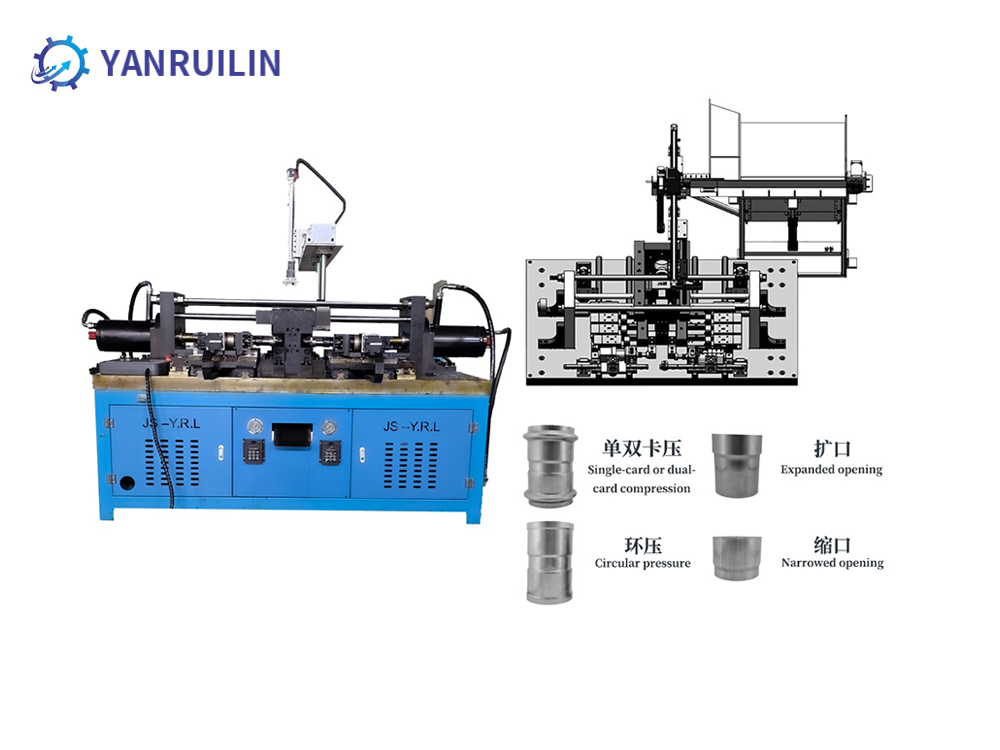
In summary, IO forming machines reduce material waste by 35% by targeting the root causes of inefficiency in traditional forming processes. Through intelligent automation, precision control, and data-driven optimization, these machines maximize material utilization, minimize defects, and eliminate unnecessary waste. In an era where every resource counts, IO forming machines empower manufacturers to do more with less—cutting costs, reducing environmental impact, and gaining a competitive edge in the global market. As technology advances, the waste reduction potential of IO forming machines will only grow, making them a cornerstone of sustainable, efficient manufacturing for years to come.
Этот веб-сайт использует файлы cookie, чтобы обеспечить вам максимально эффективное использование нашего веб-сайта.

 English
 Español
 Deutsch
 日本語
日本語 한국어
한국어 Italiano
 Türk dili
 हिन्दी
 Indonesia


Комментарий
(0)